Amputation After Medical Malpractice in Georgia: Building a Case for Lifetime Compensation
Losing a limb because of a preventable medical error is a life-altering tragedy. If you or a loved one suffered an amputation from medical negligence, you are dealing with intense physical pain and emotional turmoil. Such an injury not only changes how you live day-to-day but also raises hard questions: How did this happen, and who is responsible? In Georgia, victims of medical malpractice amputations have legal options to seek answers and financial support.
An amputation after medical negligence in a Georgia hospital is thankfully rare, but when it occurs it often could have been avoided with proper care. Doctors and nurses are trained to prevent the infections, circulatory problems, and surgical mistakes that can cost a patient a limb. When an amputation happens due to a lapse in care, the patient faces a lifetime of challenges that might have been prevented. In these moments, it’s critical to understand your rights and how to build a case for the lifetime compensation you will need to move forward.
How Medical Negligence Can Lead to Amputation
Amputations are sometimes necessary to save a patient’s life or health, but they should be extremely rare outcomes of medical treatment. Unfortunately, malpractice can directly cause or contribute to a loss of limb. Below are common scenarios in Georgia healthcare where negligence may lead to an avoidable amputation injury:
- Missed Infections and Untreated Sepsis: If doctors or nurses fail to diagnose and treat a serious infection in time, it can progress to sepsis (body-wide infection). Sepsis can cause tissue death (gangrene) in the extremities, forcing surgeons to amputate to stop the spread. For example, an untreated limb infection or a missed case of necrotizing fasciitis may result in a patient losing an arm or leg that could have been saved with prompt antibiotics and proper wound care.
- Surgical Errors and Vascular Injuries: Mistakes during surgery can inadvertently damage blood vessels or vital tissues. If circulation to a limb is cut off or a post-surgical complication like a blood clot is ignored, the limb can suffer irreparable damage. In some malpractice cases, a preventable surgical complication (such as operating on or injuring a major artery and then failing to restore blood flow) has led to a patient’s arm or leg being amputated. These are extreme outcomes that typically only occur when proper surgical protocols or post-op monitoring are not followed.
- IV Infiltration or Compartment Syndrome: IV lines must be carefully monitored. If intravenous fluids or medications leak into surrounding tissue (IV infiltration) and healthcare staff ignore the warning signs, the buildup of pressure in the limb (compartment syndrome) can starve muscles of blood. Within hours, tissue can die – studies show that after roughly six hours, damage may become irreversible – and infection can set in. Severe IV infiltration injuries – for instance, when a caustic drug extravasates into the arm and no one intervenes – have resulted in emergency amputations of the affected limb. These outcomes are entirely avoidable with proper monitoring and timely intervention.
- Delayed Treatment of Circulatory Issues: Conditions that disrupt blood flow, such as blood clots or arterial blockages in a limb, require prompt care. If a hospital in Atlanta fails to quickly diagnose and treat a blocked artery, the prolonged lack of blood supply can cause tissues to die. By the time the problem is finally addressed, doctors may have no choice but to perform an amputation that should never have been needed. Negligence in recognizing signs of poor circulation (like a cool, pale limb or absent pulses) can turn a treatable vascular issue into a catastrophic injury.
Not every bad medical outcome is malpractice. The key question is whether the healthcare providers deviated from the standard of care. If a reasonably careful doctor in Georgia would have recognized the problem and prevented the limb loss, then an amputation that occurred is considered an “avoidable” injury caused by negligence. On the other hand, if an amputation was truly unavoidable – meaning the medical issue was so severe that even competent care could not save the limb – then it may be a tragic outcome but not malpractice. A skilled attorney can review the medical facts to determine if your amputation could and should have been prevented with proper treatment.
Avoidable vs. Necessary Amputations
One of the most important issues in these cases is showing that the amputation was avoidable. In a malpractice lawsuit, your lawyer will work to prove that if the doctors had followed the appropriate standard of care, you would not have lost your limb. For instance, with early detection and treatment of an infection, a limb might be saved rather than amputated. Evidence might include lab results and infection logs showing red flags that were missed. Conversely, if your medical records show that every correct step was taken and the amputation still became necessary, it may be considered a tragic but non-negligent outcome. Establishing this distinction often requires expert medical review of the timeline and decisions made by your healthcare team.
Georgia law defines medical negligence by the “standard of care” – essentially, what a prudent physician would have done in the same situation. When amputations are deemed avoidable, it usually means a provider failed to act as a competent professional would. For example, not administering antibiotics for a treatable infection, or ignoring circulation issues after surgery, falls below this standard. If the result is the loss of a limb, that breach of duty has caused severe harm. On the other hand, some amputations are medically necessary despite the best care (such as those caused by aggressive cancers or traumatic injuries where immediate removal is the only option to save the patient’s life). Those situations typically do not result in liability since the doctors did all they could. In any malpractice claim, demonstrating that your amputation resulted from errors – not an unavoidable medical necessity – is critical to recovering compensation.
Legal Standards for Malpractice in Georgia
Medical malpractice cases in Georgia must meet specific legal standards. First, it must be shown that the healthcare provider owed you a duty of care and breached that duty by providing substandard care. In an amputation case, this often boils down to proving the doctor or hospital failed to do something a reasonably careful provider would have done – for example, failing to diagnose an infection or not responding to clear signs of a circulation problem. You and your attorney also have to show that this negligence directly caused the need for the amputation and the damages you suffered as a result.
Georgia has particular procedural requirements for malpractice claims. One crucial rule is the need for an expert affidavit at the outset of a lawsuit. When filing a medical malpractice lawsuit in Georgia, the plaintiff’s attorney must include a sworn statement from a qualified medical expert (usually a doctor in the same field) who has reviewed the records. This affidavit must outline at least one specific act of negligence by the healthcare provider. In other words, a medical expert needs to confirm that the care fell below accepted standards and explain how that failure caused harm. This requirement is meant to filter out frivolous claims and ensure that a case has merit before it proceeds. An experienced medical malpractice lawyer in Georgia will help secure the necessary expert review and make sure this critical step is handled properly.
There are also strict time limits to bring a malpractice case. In general, Georgia’s statute of limitations for medical malpractice is two years from the date of the injury. Additionally, there is a five-year “statute of repose” that absolutely bars claims filed more than five years after the negligent act or omission, regardless of when you discovered the problem. (There can be limited exceptions, such as cases involving a foreign object left inside the body, or when the victim is a young child.) Because of these deadlines, it’s important to speak with an attorney as soon as you suspect malpractice. A knowledgeable lawyer will ensure your case is filed on time and meets all legal requirements. We understand that you are coping with a catastrophic injury – our role as your legal advocates is to handle the complex process and fight for your rights while you focus on healing.
Life Care Planning and Long-Term Needs After an Amputation
An amputation from medical malpractice isn’t just an acute injury – it’s a lifetime condition that requires ongoing care and adaptation. Part of building a strong case for compensation is looking ahead to all the future needs and expenses you will have. Our Atlanta catastrophic injury lawyers often work with a team of experts to develop a detailed life care plan for clients who have lost limbs. This process involves assessing the medical, rehabilitative, and personal requirements that you will encounter in the years to come.
Medical Specialists and Prosthetics Experts: We may consult orthopedic surgeons, vascular doctors, or rehabilitation physicians to understand what future surgeries, medications, or therapies you might require. Prosthetists (specialists who design and fit artificial limbs) are also critical. They can provide insight into the types of prosthetic limbs that will work best for you and how often those devices will need repair or replacement. Modern prosthetic technology is advanced, but it is also expensive and has a limited lifespan – prosthetic legs or arms often need replacement every few years due to wear and tear or changes in your body. We work to account for these costs over your expected lifetime.
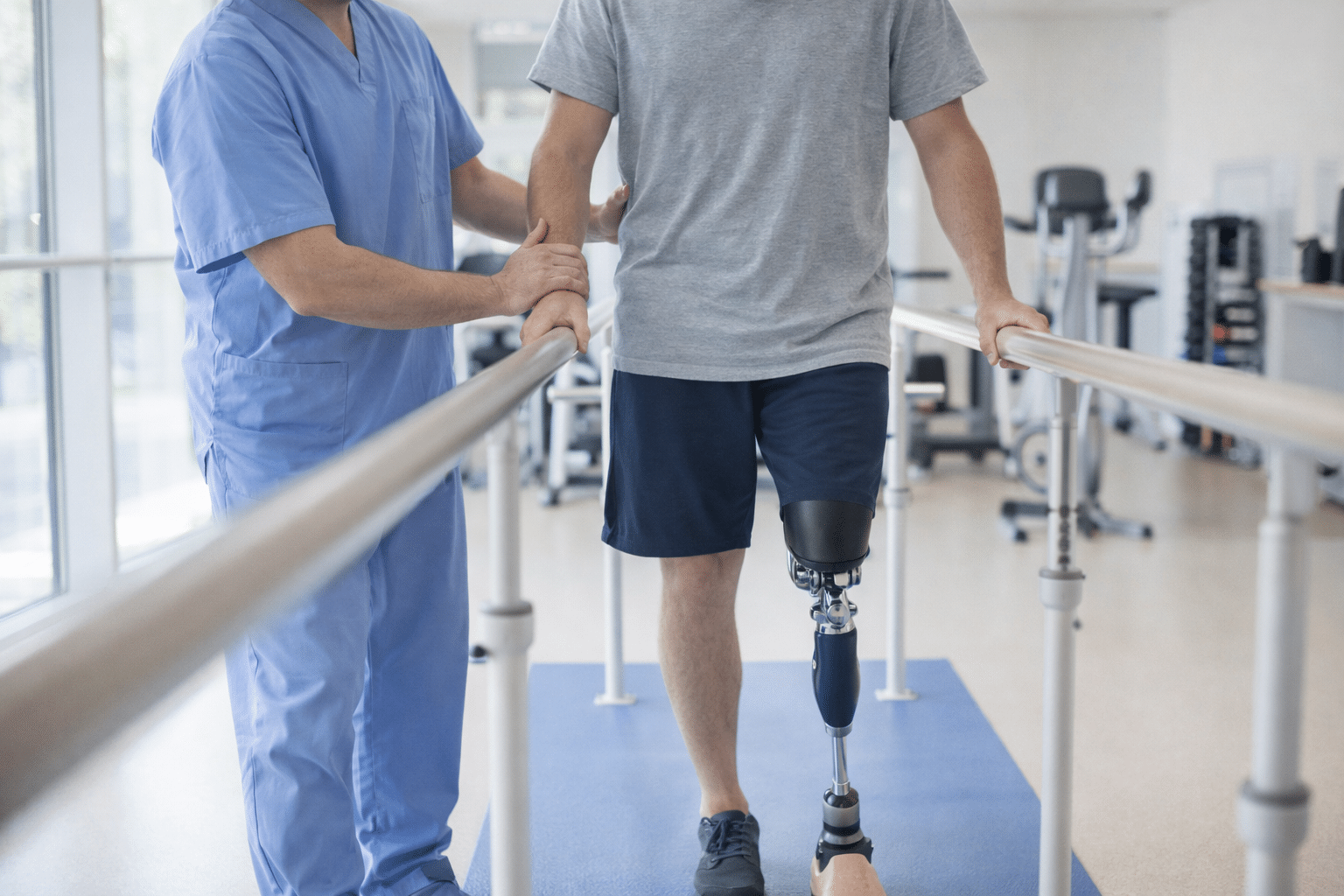
Physical Rehabilitation and Counseling: Recovering from an amputation involves intensive physical therapy to regain mobility and learn to use prosthetic devices. It may also involve occupational therapy to re-learn daily activities. These services could be necessary periodically throughout your life, not just immediately after the surgery. In addition, psychological support is often indispensable. Many amputees struggle with depression, anxiety, or post-traumatic stress due to the sudden loss of a limb. Your legal team should factor in the costs of counseling or psychiatric care to help you cope with the trauma. Our firm frequently works with life care planners who compile all these healthcare needs into a detailed report, ensuring no future expense is overlooked when we pursue your claim.
Home Modifications and Assistive Devices: Adapting to life after limb loss may require changes to your home and vehicle. For example, if you lost a leg, you might need to install wheelchair ramps, modify bathrooms and doorways for accessibility, or even relocate to a one-story home. Vehicles might need to be outfitted with hand controls or lifts. You will likely also need equipment like wheelchairs, crutches, or specialty prosthetic components for different activities (such as waterproof prosthetics for bathing or sport-specific artificial limbs). These practical needs can be very costly over time. In building your case, our attorneys might bring in rehabilitation specialists or engineers to estimate the expenses for necessary home and transportation adaptations.
Damages: Seeking Lifetime Compensation for an Amputation Injury
When medical negligence causes an amputation, Georgia law allows you to seek a broad range of damages to compensate for both your economic losses and your pain and suffering. Given the permanent and catastrophic nature of losing a limb, these cases often involve significant compensation to cover the victim’s lifelong needs. Key categories of damages in an amputation malpractice case include:
- Medical Expenses (Past and Future): All healthcare costs related to the negligence are recoverable. This includes hospital bills, surgeries (such as the amputation procedure itself and any future revision surgeries), medications, and ongoing doctor visits. A major component is the cost of prosthetic limbs and related medical equipment. Prosthetic devices can range from around $5,000 to over $50,000 each, and most will need replacement every few years. Over a lifetime, these expenses add up to hundreds of thousands of dollars. Your claim should also include rehabilitation costs like physical and occupational therapy, as well as psychological counseling if needed.
- Lost Wages and Earning Capacity: An amputation can force you to take a long leave from work or even end your ability to work in your prior profession. Many amputees face months of recovery time. Some cannot return to jobs that require physical labor or prolonged standing. If you have to quit working or switch careers for lower pay, the income you have lost (and will lose in the future) is a damage that can be claimed. We work with economists and vocational experts when necessary to calculate the value of your lost earning capacity over the rest of your working life.
- Home and Vehicle Modifications: As mentioned, you may need to renovate your living space for accessibility or purchase specialized equipment. Costs for wheelchair ramps, widened doorways, roll-in showers, prosthetic accessories, and adaptive vehicles are significant. Even hiring help for household tasks or personal care might be necessary, especially during the initial recovery period. These out-of-pocket expenses are part of your economic damages. In a lawsuit, we present evidence of these costs through receipts, contractor estimates, and expert testimony to ensure you are reimbursed.
- Pain and Suffering: The physical pain of an amputation and any preceding medical complications can be extreme. Beyond that, there is immense emotional anguish that comes with losing a limb. The psychological trauma after an amputation – including depression, loss of enjoyment of life, altered body image, and the strain it puts on your relationships – is considered non-economic damage. While no dollar amount can truly make up for these losses, Georgia law permits recovery for pain, suffering, and emotional distress. Juries (or insurance adjusters) will consider factors like how your daily life has changed, your inability to do activities you once loved, and the toll on your mental health. In particularly egregious cases of negligence, where a provider’s actions were reckless or showed a conscious disregard for patient safety, punitive damages may also be available to punish the wrongdoer (though punitive awards are uncommon in medical malpractice cases).
Every case is unique, and the available damages will depend on your specific circumstances. Importantly, Georgia does not currently cap damages in medical malpractice cases, so a severely injured patient can seek full compensation for both economic costs and intangible harm. Our job as medical malpractice lawyers in Georgia is to present a compelling picture of all you have lost and will need, so that any settlement or verdict provides security for the rest of your life. We want to ensure that you have the financial means to obtain the best prosthetic technology, top-notch medical care, and support for your overall well-being going forward.
Special Considerations for Pediatric Amputation Cases
When a child or teenager suffers an amputation due to medical negligence, the situation is especially heart-wrenching. Children have many decades of life ahead of them, which means the impact of their injury – and the cost of their care – will span a very long time. There are also unique legal and medical issues that arise in pediatric cases.
In Georgia, a minor cannot file a lawsuit on their own, so a parent or guardian must bring the claim on the child’s behalf. The statute of limitations may be extended for injuries to very young children (for instance, if malpractice occurs when a child is under five years old, Georgia law allows a lawsuit to be filed by the child’s seventh birthday regardless of the normal two-year limit). This provides some flexibility, but it is still wise to act quickly so evidence is preserved.
From a medical standpoint, children who lose a limb will require frequent prosthetic replacements as they grow. A prosthetic leg that fits a seven-year-old will not fit a teenager. This means the lifetime prosthetic costs in a pediatric case can be even higher than for an adult. We also consider the long-term psychological effects – growing up with an amputation can affect a child’s self-esteem and social development in profound ways. Non-economic damages for a young victim may account for the loss of a “normal” childhood experience, as well as future lost opportunities (for example, if the injury limits their ability to pursue certain sports, careers, or hobbies).
Our approach in a pediatric malpractice case is both meticulous and compassionate. We work with pediatric medical experts and life care planners who understand the developmental needs of children with amputations. The goal is to ensure that any settlement accounts for the best possible medical care, prosthetic upgrades over time, educational support if needed, and therapy to help the child thrive despite their challenges. These cases also consider the impact on the family – parents often must take time off work or incur extra expenses to care for an injured child. While the focus is on the child’s needs, our attorneys will seek compensation for out-of-pocket costs and the emotional toll on the family unit as well.
Preserving Evidence and Building Your Case
Proving that an amputation was caused by medical negligence requires a thorough investigation and strong evidence. It is important to begin gathering information as soon as possible. If you suspect that a hospital or doctor’s error led to a needless amputation, take steps early to document everything. This can include:
- Medical Records: Request copies of all relevant hospital records, test results, imaging studies, surgical reports, and doctor’s notes. These documents are the backbone of any malpractice case. They can reveal timelines – for example, when an infection was first noted versus when treatment was given – and any deviations from standard protocols. Records of vital signs, lab results, and physician consultations can show whether there were clear warning signs that went unaddressed.
- Incident Reports: If the hospital created an internal incident report (for instance, after a surgical complication or an IV infiltration injury), that document could be valuable evidence. Your attorney can formally request these during the discovery phase of a lawsuit. Sometimes, hospitals also conduct “root cause analyses” when a major injury occurs; the findings from those reviews might support your case if they identify lapses in care.
- Photographs and Personal Notes: Photos of an infected wound’s progression, or of the limb before and after surgery, can vividly illustrate what happened. Similarly, if you or your family kept a journal or notes about your symptoms and interactions with healthcare providers, those can help recreate the sequence of events. Family members’ observations are also important – for example, a loved one might have noticed your toes turning purple days before the doctors acted. Such details, documented in writing, can bolster your claim of delayed treatment.
- Witnesses and Expert Analysis: In some cases, other staff or patients might have witnessed parts of the negligent care (for example, a nurse expressing concern about an IV site that was then ignored by the doctor). Identifying any supportive witnesses early can strengthen your case. Most critically, we will engage independent medical experts to review the evidence. A specialist in the appropriate field – be it infectious disease, surgery, emergency medicine, etc. – can testify how the care fell short. Their professional perspective, combined with the factual records, helps build a compelling argument that your amputation was a preventable disaster rather than an unfortunate inevitability.
At Davis Adams, we take a proactive approach to investigations. Our team understands the complex medical issues involved in amputation cases, and we know what to look for. We may consult with former nurses or hospital administrators to pinpoint where the system broke down. By meticulously gathering and preserving evidence – from lab reports and nursing logs to expert opinions – we construct a narrative that shows exactly how negligence caused your loss. This not only bolsters your claim for compensation but also helps you and your family get the answers you deserve about what went wrong.
Your Next Steps and How We Can Help
Facing life after an amputation caused by malpractice is overwhelming, but you do not have to go through it alone. Our firm is here to shoulder the legal burdens so you can focus on your health and recovery. We offer free consultations to discuss your situation and advise you on your options. There is no obligation, and our goal in this conversation is to help you understand whether you have a viable claim and what the process would involve. If we take your case, you pay nothing upfront – we work on a contingency fee, which means we only get paid if we win compensation for you.
We know that pursuing a lawsuit cannot undo the harm you have suffered. However, holding the negligent hospital or doctor accountable can provide the financial resources you need for the best quality of life after your injury. It can also bring a sense of justice and closure. Our experienced team of Atlanta medical malpractice lawyers has handled many complex and catastrophic injury cases, including amputations. We understand the nuances of Georgia malpractice law and have a network of respected medical experts ready to support your claim.
Compassionate, Experienced Representation: From day one, we treat you like family. We will listen to your story with empathy, answer your questions candidly, and keep you informed at every step. Our attorneys are both caring counselors and tenacious advocates. We prepare every case as if it will go to trial, which means we do the homework needed to negotiate from a position of strength. Whether through a settlement or a jury verdict, our goal is to secure a result that truly reflects the lifetime of costs and challenges you now face.
Contact Us for a Free Case Evaluation: If you believe you or your loved one lost a limb due to a medical mistake, please reach out to us. A simple phone call or message to our office will start the conversation. We will review the facts, consult with our medical experts, and give you an honest assessment of your legal options. Contact us today for a free consultation. There is no financial risk to speak with our team, and if we represent you, we will fight tirelessly to help you secure the lifetime compensation you and your family need to move forward.